NJ Supreme Court Victory: Our firm secures a major win defending free speech! Read the Details here

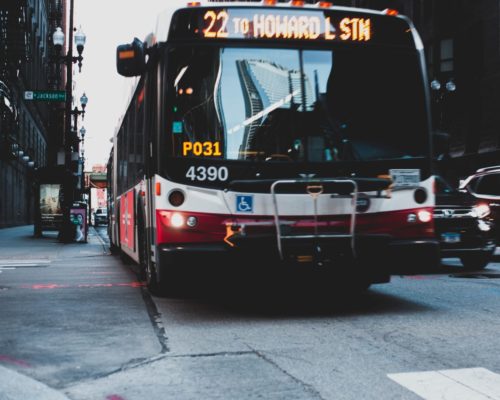
A city bus marked

What Are the Consequences of a Commercial DWI in New Jersey

In New Jersey, a commercial DWI offense can result in suspensions of both your standard and commercial driver’s license (CDL), in conjunction with fines, potential jail time, mandatory education programs, and long-term employment consequences. Commercial drivers face stricter standards than other motorists, with a legal BAC at half the standard for non-commercial drivers. Understanding the consequences you can face if convicted is critical.

What Does New Jersey Consider a Commercial Vehicle?

A commercial vehicle must meet several qualifications to be characterized as such in the state of New Jersey. A vehicle that is considered a commercial vehicle will likely require the driver to have a commercial license.

Vehicles that Commonly Require a Commercial Driver’s License (CDL)

  • A passenger vehicle
  • A truck with double or triple trailers
  • A truck with a tank
  • A truck carrying hazardous materials

Why Commercial Drivers Face Stricter Standards

  • Commercial vehicles are larger and heavier, ultimately posing a greater risk to the safety of the public
  • Federal and state laws imposed enhanced responsibilities for CDL holders
  • Commercial drivers may be subject to stricter alcohol testing and reporting requirements
  • Certain violations may impact both personal and commercial driving privileges
  • Employers frequently review driving records

How Are Commercial DWIs and Regular DWIs Different in New Jersey?

Individuals who drive a commercial vehicle are held to a higher standard when it comes to DWI charges and sentences. As mentioned, a fully loaded commercial vehicle can weigh up to 80,000 pounds, so driving under the influence while operating a vehicle of this weight can result in catastrophic injuries to New Jersey drivers.

Commercial Driver BAC Limits

  • Standard drivers can be charged with a DWI for a BAC of 0.08% or higher
  • Commercial drivers can be charged with a DWI  with a BAC of 0.04% or higher while operating a commercial vehicle

Commercial DWI vs. Regular DWI

  • Commercial drivers face DWI charges at half the BAC of regular drivers
  • CDL holders risk losing their commercial driving privileges, even for a first offense
  • Commercial DWIs may impact future employment opportunities
  • Federal CDL regulations can result in additional consequences beyond state penalties

What Are the Consequences of Commercial DWIs in New Jersey?

DWIs are a serious offense in New Jersey and should not be taken lightly. In general, the penalties a commercial driver can face for a BAC will ultimately depend on whether they were operating a commercial vehicle at the time of the offense, their BAC level, and whether or not it was a first offense.

Commercial DWIs in New Jersey, including those that arise in Gloucester County, Camden County, and Burlington County, are governed in accordance with both state and federal commercial driver regulations. As such, depending on the circumstances, drivers can face administrative license consequences, court-imposed penalties, and CDL disqualifications.

Penalties for a First Commercial DWI Offense

If this is your first charge and you were pulled over by law enforcement with a blood alcohol concentration of .04% or higher, you will likely face the following consequences:

  • A 3-month suspension of your driver’s license
  • A 1-year CDL license suspension
  • Up to 48 hours at the intoxicated driver resource center (IDRC)
  • Up to 30 days in jail
  • Up to $400 in fines

Additional Consequences for Increased BAC Levels

  • BAC levels of 0.10% or higher can result in increased penalties
  • Courts can impose stricter penalties
  • Repeat offenders can face considerably harsher penalties
  • CDL reinstatement requirements can become more complex

Can a Commercial DWI Impact Your CDL and Employment

Commercial drivers generally depend on their CDL to earn a living, and even a first offense can result in significant professional consequences.

Employment Consequences of a Commercial DWI

  • Loss of driving-related employment
  • Difficulty securing future commercial driving employment
  • Increased insurance costs for your employer
  • Negative impact on professional reputations
  • Potential termination in accordance with company policy

Industries Commonly Impacted

  • Truck drivers
  • Delivery drivers
  • Bus drivers
  • Construction vehicle drivers
  • Hazardous material transportation drivers

What Happens if a Commercial Driver Refuses a Breath Test?

New Jersey has implied consent laws. Essentially, this means that by obtaining a driver’s license and operating a vehicle on New Jersey roadways, you must submit to chemical testing as required by the police.

Potential Consequences of Refusal

  • License suspensions still apply
  • CDL holders can still face additional penalties
  • Refusal evidence may be used during proceedings
  • Separate penalties ultimately apply for refusal

Contact Our New Jersey Criminal Defense Firm

The dedicated and compassionate attorneys at Vigilante Law Firm, P.C. would be happy to provide you with assistance in your case and help you protect your future when so much is on the line. Contact us today to schedule a consultation so we can assess the specific circumstances surrounding your lawsuit.

Website Designed & Managed by